
Deciding where to park your capital in the real estate market often feels like standing at a crossroads. On one hand, you have the raw, untapped potential of a piece of land—a blank canvas. On the other, you have the immediate gratification and structure of a finished home.
In 2026, as the “work-from-anywhere” culture matures and urban boundaries expand, this choice has become more nuanced. There is no “perfect” investment, only the one that aligns with your financial timeline, risk appetite, and personal lifestyle. Let’s break down the DNA of both options to help you decide which path leads to your goals.
The Allure of the Earth: Investing in Plots
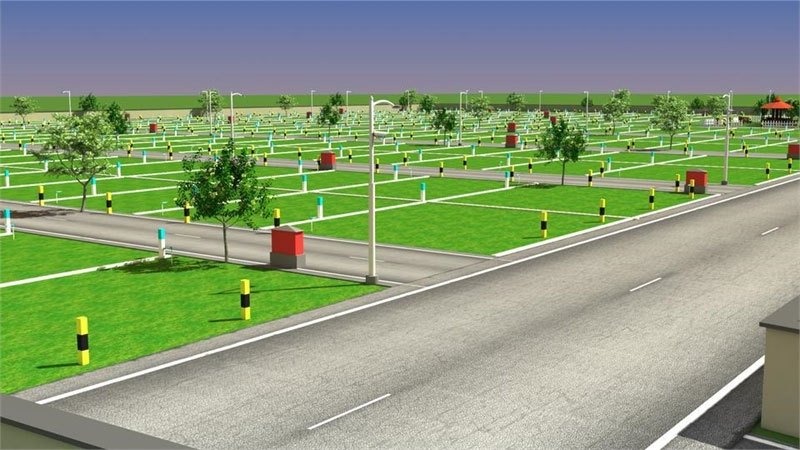
There is something ancient and deeply satisfying about owning a piece of the earth. For the strategic investor, plots represent the “purest” form of real estate. You aren’t paying for someone else’s architectural taste or aging plumbing; you are buying the underlying value of the location.
1. Lower Entry Barrier, Higher Ceiling
Generally, a plot of land in an emerging area requires a significantly lower initial investment than a constructed apartment in the same vicinity. This allows younger investors to enter the market earlier. Furthermore, land historically appreciates at a faster rate than apartments. While a building begins to depreciate the moment the last brick is laid, land—especially in a developing corridor—only grows more valuable as the surrounding infrastructure catches up.
2. The Power of Creative Freedom
When you buy a ready-to-move home, you are buying a developer’s vision. When you buy a plot, you are the visionary. Whether you want a minimalist glass villa, a multi-story family home, or a sustainable “earth house” with a backyard garden, the land waits for your command. This flexibility also extends to when you build. You can hold the land for a decade, letting it appreciate, and build only when your finances are ready.
3. Low Maintenance, Zero Stress
One of the most overlooked benefits of land is the lack of “headache.” There are no leaking pipes to fix, no society maintenance fees to haggle over, and no tenants to manage. Aside from ensuring the perimeter is secure and the taxes are paid, a plot is a “set it and forget it” asset.
The Convenience of Certainty: Ready-to-Move Homes
If plots are a marathon, ready-to-move (RTM) homes are a sprint. They cater to a different psychological and financial need: the need for immediate utility and predictable outcomes.
1. What You See Is What You Get
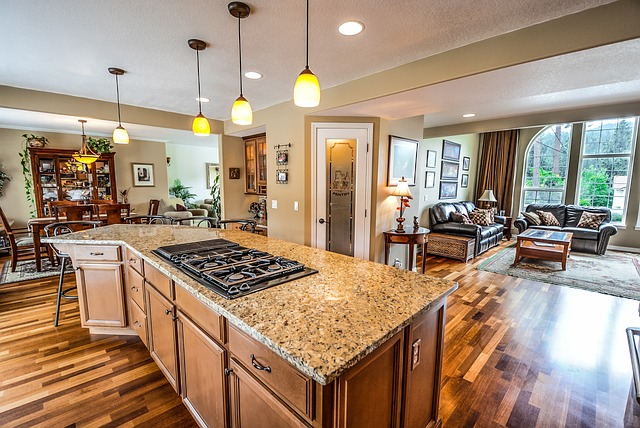
The biggest risk in real estate has always been the “expectation vs. reality” gap in under-construction projects. With an RTM home, that risk is zero. You can walk through the rooms, check the view from the balcony, test the water pressure, and inspect the quality of the tiling before a single penny changes hands. There is a massive peace of mind in knowing exactly what you are buying.
2. The Joy of Immediacy
In an RTM property, you skip the “construction wait,” which can often drag on for years. You can move in tomorrow, or better yet, you can sign a lease and start earning rental income immediately. For many, the ability to offset a mortgage with monthly rent is the deciding factor that makes a finished home more attractive than a silent plot.
3. Financial and Tax Efficiency
When you buy a finished home, you can claim tax benefits on your home loan interest and principal repayments immediately. With land, you generally cannot claim these benefits until a structure is built. Additionally, the process of getting a home loan for a finished property is often smoother and offers higher Loan-to-Value (LTV) ratios compared to land loans.
Making the Choice: A Tactical Comparison
To help visualize the trade-offs, consider this breakdown:
| Feature | Plot Investment | Ready-to-Move Home |
| Appreciation | High (focused on land value) | Moderate (building value depreciates) |
| Income Generation | None (until built) | Immediate (via Rent) |
| Effort Required | High (planning/construction) | Low (turnkey) |
| Risk Profile | High (encroachment/legal) | Low (tangible structure) |
| Initial Cost | Lower | Higher |
Which Path Should You Walk?
The “right” choice depends entirely on your current stage of life and your ultimate objective.
Choose a Plot if:
- You are looking for a long-term “buy and hold” strategy (5–10 years).
- You want to build a customized legacy home for your retirement.
- You have a smaller budget but want exposure to a high-growth area.
- You don’t want the hassle of managing tenants or property repairs right now.
Choose a Ready-to-Move Home if:
- You need a roof over your head immediately and want to stop paying rent.
- You are looking for an investment that pays for itself through monthly rental yields.
- You prefer the security of a gated community with existing amenities (gyms, pools, security).
- You want to maximize your tax savings today.
The 2026 Perspective
As we look at the market today, we see a hybrid trend emerging. Many investors are choosing “Plotted Developments”—gated communities that offer the flexibility of a plot with the security and amenities of a luxury apartment complex. This “middle ground” is becoming the gold standard for those who want the best of both worlds.
Final Thoughts
Real estate is rarely just a transaction; it’s a milestone. Whether you choose the raw potential of a plot or the polished comfort of a home, ensure your decision is backed by thorough legal due diligence and a clear understanding of your cash flow.
Are you a builder at heart, ready to wait for the soil to turn into gold? Or are you a dweller, looking for the keys to a new chapter today? Listen to your goals—they usually have the answer.